About Mary
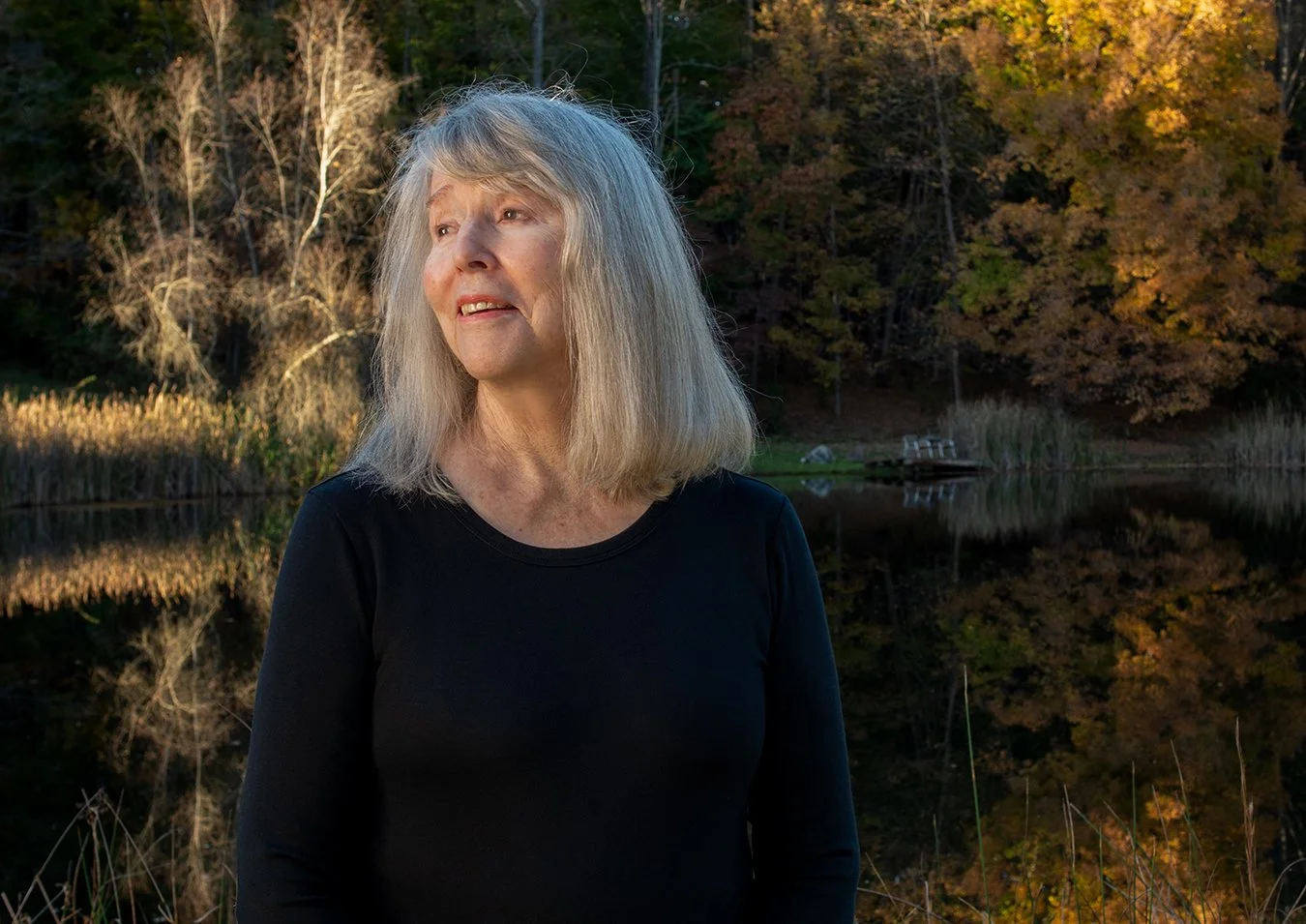
Mary T. Howard is an author, anthropologist, documentary filmmaker, and professor emeritus of sociology and anthropology at Ohio Wesleyan University. Her work explores how people build lives and relationships amid poverty, disability, hunger, and homelessness, and how institutions can support or diminish their independence and dignity.
Across research, teaching, writing, and filmmaking, she brings close attention to people’s everyday experiences. Her career connects scholarship with practical questions of care, responsibility, and social justice.
Read her story ↓
Early life and a path into anthropology
Born in Columbus, Ohio, Mary studied nursing at Georgetown University before earning her bachelor’s degree in sociology at St. Mary of the Springs College, now Ohio Dominican University. While an undergraduate, she worked as a live-in counselor in a home for juvenile girls in Columbus, Ohio. In Lansing, Michigan, she worked as a psychiatric social worker and helped establish a halfway house for thirty-six men returning to community life after long-term stays in psychiatric institutions.
These experiences began a lasting interest in the relationship between care, institutional life, and personal autonomy. She earned her master’s degree in anthropology at Michigan State University in 1970 and her doctorate in 1980. Her interests in medical and psychological anthropology grew from decades of work in mental and medical healthcare settings, including public health research and work in East Africa.
Research, care, and community
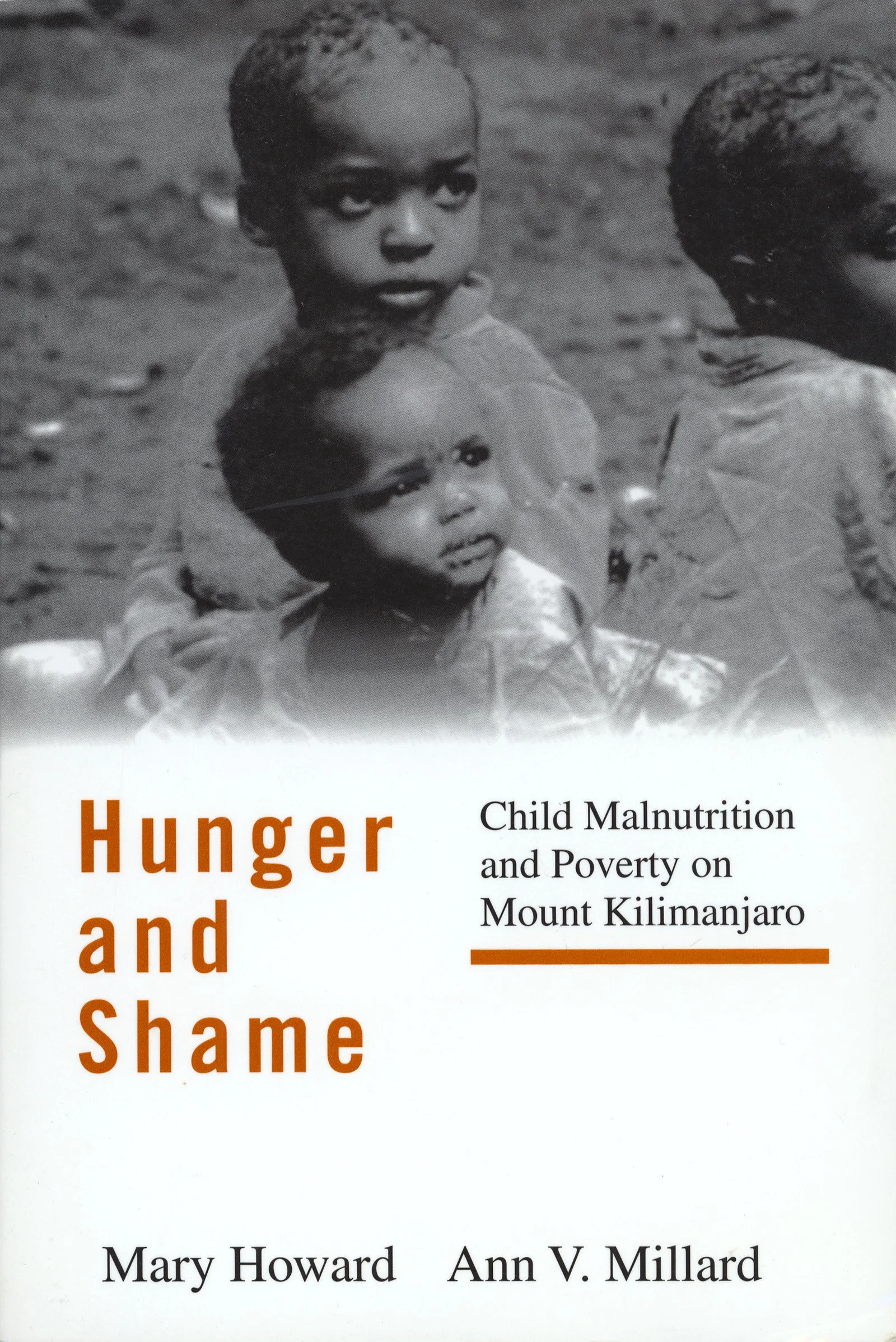
Mary’s research examines the ways economic pressures, cultural beliefs, and social institutions shape health and everyday life. Her investigation of childhood malnutrition among the Chagga of Mount Kilimanjaro, Tanzania, became the foundation for Hunger and Shame: Child Malnutrition and Poverty on Mount Kilimanjaro, coauthored with Ann V. Millard and published in 1997.
The book connects families’ experiences with broader questions of poverty, inequality, and responsibility. Drawing on the perspectives of parents, health workers, and government officials, it explores why children can go hungry even in a region of relative prosperity.
Her work on disability and residential care grew from another formative experience. In 1979, newly divorced and supporting two young sons, she became a live-in counselor at Pine Forest, a Michigan group home for sixteen adults with intellectual and developmental disabilities. There, she joined a community whose residents sought greater independence, respect, and control over their lives.
Those experiences are at the heart of her forthcoming memoir, Confessions of a Care Worker: Stories of Disability and Dignity. Through the relationships and daily life of Pine Forest, she explores the possibilities of compassionate care and the institutional practices that can undermine it.
Teaching beyond the classroom
Mary joined Ohio Wesleyan University in 1985, initially combining leadership of Women’s Studies with teaching in sociology and anthropology. Her courses encouraged students to connect academic inquiry with the lives of people beyond the university.
With her colleague John Durst, she co-taught a senior capstone course that brought Ohio Wesleyan students and incarcerated women at the Ohio Reformatory for Women together to learn. Her work on a campus climate survey helped inform the university’s sexual harassment policy, and she helped develop and sustain the Butler A. Jones Lecture Series on Race and Society.
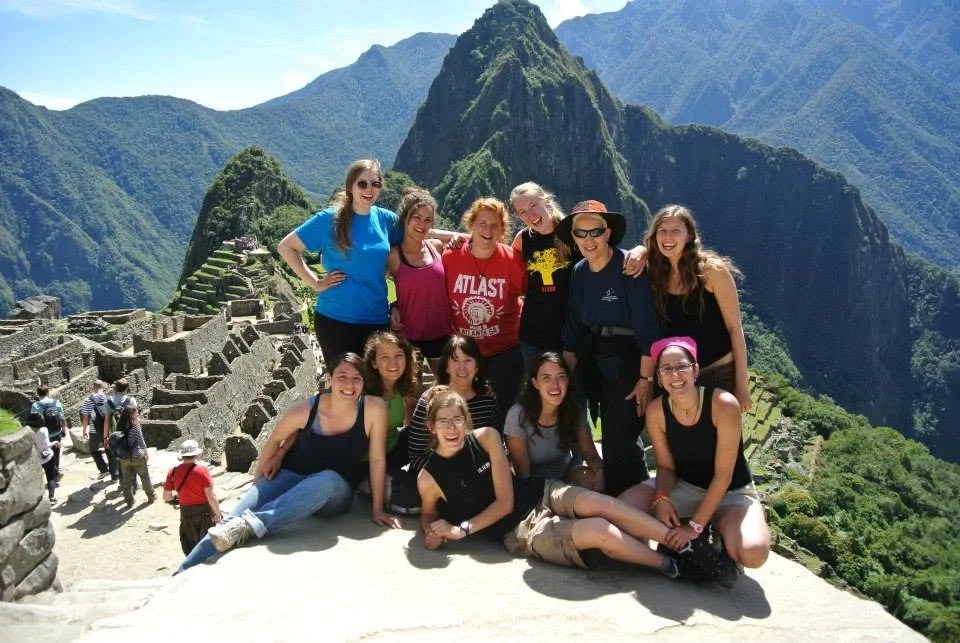
International experience was central to her teaching. She lived for extended periods in Afghanistan, Bolivia, China, India, South Africa, and Taiwan, and led student trips to Mexico, China, Tanzania, Kenya, India, Bolivia, Peru, Haiti, and the Dominican Republic. These experiences encouraged students’ interests in public health and international development.
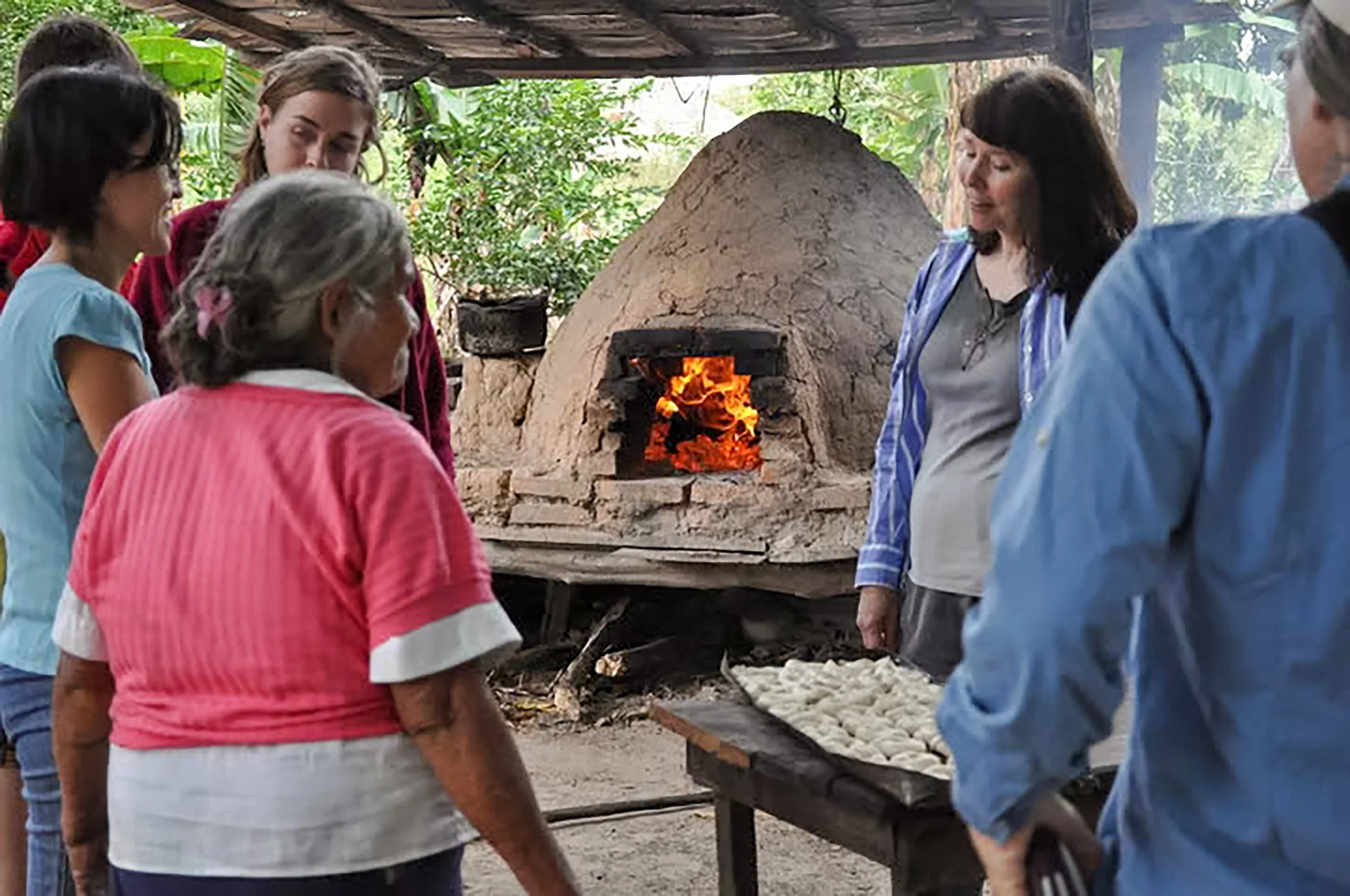
In 2012, she returned to Tanzania with students, bringing them into the setting of the research behind Hunger and Shame. The visit offered an opportunity to examine firsthand the connections among poverty, health, nutrition, and community life.
Her teaching and service have been recognized with the 1991 Sherwood Dodge Shankland Award for the Encouragement of Teachers, the 2002 Andrew Anderson Campus and Community Conscience Award, recognition on two occasions from the President's Commission on Racial and Cultural Diversity in 2007 and 2015, and the Adam Poe Medal.
Writing and documentary films
Documentary filmmaking extends Mary's attention to people's lives beyond academic writing. Her films Cloud People, Outreach, Outsiders, and Swept Out examine homelessness, outreach, and the struggle for shelter and stability in Columbus, Ohio.
Through these films, which include collaborations with her students, she follows the relationships people form and the conditions they navigate, bringing individual experiences into public conversations about poverty and social responsibility.
At Ohio Wesleyan, her collaboration with Chuck Della Lana also created opportunities for students to tell stories through film. By 2019, their work together had helped students produce more than seventy-five documentaries and supported fifteen student film festivals.
FORTHCOMING MEMOIR
Confessions of a Care Worker
Stories of Disability and Dignity
Returning to her years as a live-in counselor at Pine Forest, Mary reflects on disability, caregiving, motherhood, and the pursuit of a self-directed life. The memoir considers what it means to care for others while respecting their choices, relationships, and dignity.
Coming March 2027 from Plainspoken Books, an imprint of University Press of Kansas.
Life at home
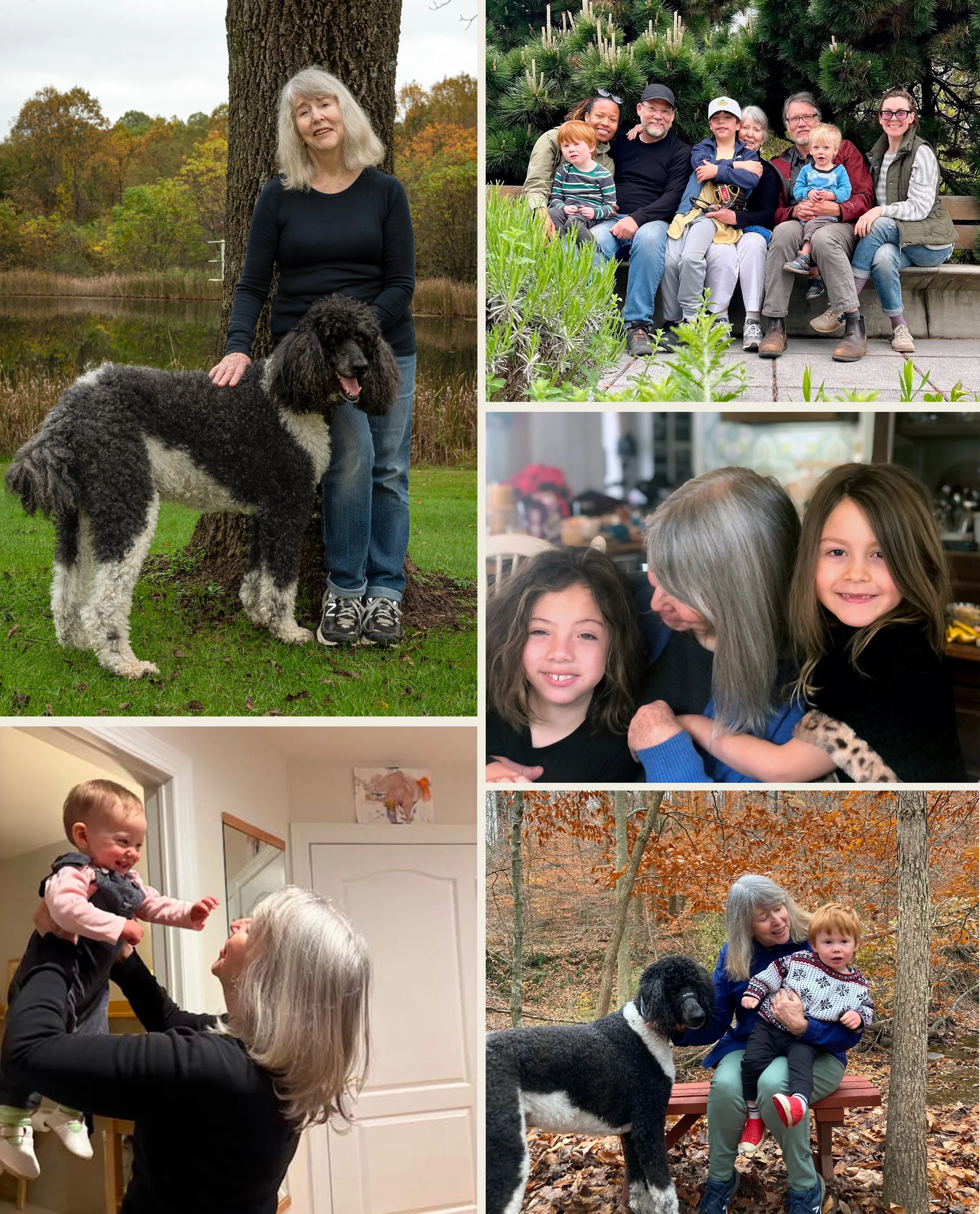
Mary is the mother of two sons and grandmother to four grandchildren. At home in Ohio, she tends a large vegetable garden and cares for thirty-five acres of woods, where she walks with her standard poodle, Mellow.
Get in touch
For inquiries about Mary’s books, documentary films, research, or speaking engagements, please reach out.